Practical AI, with the receipts.
Articles for business owners who want to know what AI actually does in a real operation, including the parts that didn’t work.
Jump to case studiesArticles
 Article · Knowledge & retrieval
Fully private AI for a 50-person firm: prove the answers before you build the app
A Singapore home-repair group wanted a knowledge base that never sends company documents to an AI provider. A feasibility study on RAGFlow and local models set the service levels first, tested them on 100 questions, and found that the fastest model was the one that made things up.
 Article · AI adoption
MIT found 1 in 20 AI pilots pay off. What three small AI rollouts showed about fit
MIT's 2025 GenAI Divide report found that most AI pilots fail on fit with the work, not on the model. A 2006 Harvard Business Review paper explains why fit is hard. Three small rollouts, a workshop, an audit and a round of user tests, show what that looks like in practice, and the one-page scope that would have helped each one.
 Article · Buying AI
Every AI proposal has a second spec. Find it before you sign.
A vendor proposal for a service business promised a "private connector" to ChatGPT, Claude or Gemini for up to $20k plus a monthly fee. A dispatch pilot for a field-service team hid a second set of rules about who decides. What the visible spec leaves out, and the questions to ask any AI vendor before you sign.
 Article · Lead capture
158 Singapore businesses got a website enquiry. 1 in 6 replied within 5 days.
A buyer-style enquiry went through the website contact forms of 158 Singapore small businesses in one day. 26 replied within five days, 12 forms could not take an enquiry at all, and only 2 of the 12 firms that promised a reply time kept it.
 Article · Security & reliability
Private AI for a small business: measured on Hugging Face and a MacBook
Two experiments, one in Hugging Face's cloud and one on a laptop, tested whether a small business can keep its customer messages private and still use AI. What it cost per message, how fast it ran, how accurate it was, and the settings that quietly made it worse.
 Article · Checking AI-assisted work
An AI quality gate for every article, and the six it should have failed
Every article on this site is scored by an AI judge before it can be published. A test against seven drafts I had rejected showed what the score catches, and what it passes.
 Article · Running operations with AI
How many AI agents does a small business need? Count the roles, not the agents
"How many agents?" is the wrong first question. Anthropic's guide to building agents separates fixed workflows from agents, and a one-person company running on eight agents shows why the roles, the checks and the hand-offs matter more than the count.
 Case study · Knowledge & retrieval
GraphRAG vs hybrid RAG: testing Microsoft Research's claim on 13,000 private notes
Microsoft Research's GraphRAG work argues that an LLM-built knowledge graph beats plain vector retrieval. A local Neo4j graph of a 13,284-note Obsidian vault, a 47-question retrieval eval and two fair comparisons show where that holds, where it does not, and what it costs.
 Article · Running operations with AI
Where is the time going? What three AI audits found before anyone mentioned a chatbot
Most AI audits start by asking where AI could help. Three recent audits of Singapore service businesses started by asking where the hours go. The answers pointed at repeated questions, slow handoffs and one-person approvals, not at a missing chatbot.
 Case study · An AI research step that picked the wrong company's website for 1 in 5 leads
How Evals Cut Wrong Matches in AI Web Research by 83%
At Flareworks, an internal lead-research system matched job ads to the wrong company's website for about 1 in 5 leads. A hand-labelled eval set, an evidence-based matching step, a four-model Claude comparison and a fresh holdout show what fixed it, and what a bigger model did not.
 Case study · Measuring an AI sales pipeline I don't fully control
My CRM is an agent system. Evals are how I know it works.
Scheduled AI jobs fill my consultancy's CRM, enrich it and draft cold emails (the goal is 50 a day), and I approve every send. Version 1 was busy but couldn't measure its own accuracy. Version 2 adds a contract per stage, free rule checks, a golden set and an LLM judge built with DeepEval. Here's what the first run found, and what it changes for the business.
 Case study · Measuring an AI agent in a field with no easy ground truth
The Modern Shrine's AI agent on the Global Fortune Teller Competition benchmark: 36.7%
The Modern Shrine's production chat agent, run through MingLi-Bench's 160 questions from the Global Fortune Teller Competition: the harness, the results and where it breaks.
 Article · Marketing & outreach
A go-to-market plan for 30 cents: finding, checking and ranking 35 leads with Claude and Treg
I built a full go-to-market motion for a B2B AI company in about an hour of my own time. The data cost about $0.30. The judgment calls, not the data, decided which leads were worth anything.
 Article · Building AI products
About ten demos, no signed contracts: a demo is not a deal
While repositioning Mindreader I built about ten working demos for different buyers, from an HR screening tool to a face-reading API. The enterprise pitches didn't turn into contracts. Building the demo was the cheap part, and that is exactly why it proved so little.
 Article · Building AI products
What AI actually costs a small product: the model bill was never the big one
At our peak, the AI model bill was about US$400 a month. Servers and storage reached about US$4,000. Six real cost figures from products I built between 2019 and 2026, and where the money went each time.
 Article · Running operations with AI
I moved my AI jobs off a US$99-a-month service. Each run now costs cents.
I was paying US$99 a month for a remote agent service to run five recurring jobs. I rebuilt them as scheduled jobs in one afternoon. The first test runs cost $0.16, $0.30 and $0.36 in data. Here is what it took, and what broke.
 Article · Market & customer signals
A go-to-market experiment for $0.32: what 901 bad Google reviews told me
In 2024 a personalised email cost us US$0.17 to US$0.29 to produce. In 2026 I read 901 bad reviews across 10 industries for about $0.32. Market research a small business could never afford is now a cheap experiment, and the costly part has moved to judgment.
 Article · Building AI products
Don't build software to fix an explanation problem
Marty Cagan says every product faces four big risks. After years of answering the wrong one with engineering, I add a fifth, legibility, and it's the one that more code makes worse.
 Article · Marketing & outreach
70,000 views, fewer than 10 sign-ups: what five phones taught me about short-form video
I ran about 20 TikTok accounts on five iPhones to grow an app. One video reached about 70,000 views and brought fewer than 10 sign-ups. Views measure attention. Sign-ups measure whether you did a job someone needed done, and that takes three things lining up at once.
 Article · Building AI products
A 4.8 out of 5 training score isn't a product: education is not usage
Founders who teach well often assume a great product will follow. Training scores measure whether people enjoyed the room. Software lives or dies on whether they change what they do on Tuesday afternoon, and that is a different discipline.
 Article · AI adoption
AI headlines, translated: what the hype actually means for your business
A recurring guide for business owners who don't have time for AI news. This edition takes four real headlines from September 2026 and translates each into what, if anything, you should do on Monday morning.
 Article · Knowledge & retrieval
The hidden 20%: your best person's judgment is your most expensive undocumented asset
Kung fu masters were said to hold back the last of their craft from their disciples. Teams do the same thing when AI arrives. What that costs a small business, and a simple way to capture the judgment that never makes it into the manual.
 Article · Marketing & outreach
Google Ads has a terrible interface, so I stopped using it
Google Ads was so painful to use that I stopped opening it and made Claude my ads manager instead. I typed what I wanted, it did the clicking, and it found a setting that had been recording every sale as $1. Most business software is heading the same way.
 Article · AI reliability
Why one AI agent will confidently lie to you, and how a small team of them catches it
Research from MIT and Google and a live agent system point the same way. The fix for AI that invents things isn't a better prompt. It's several agents, each with its own brief, checking each other's work.
 Article · Security & reliability
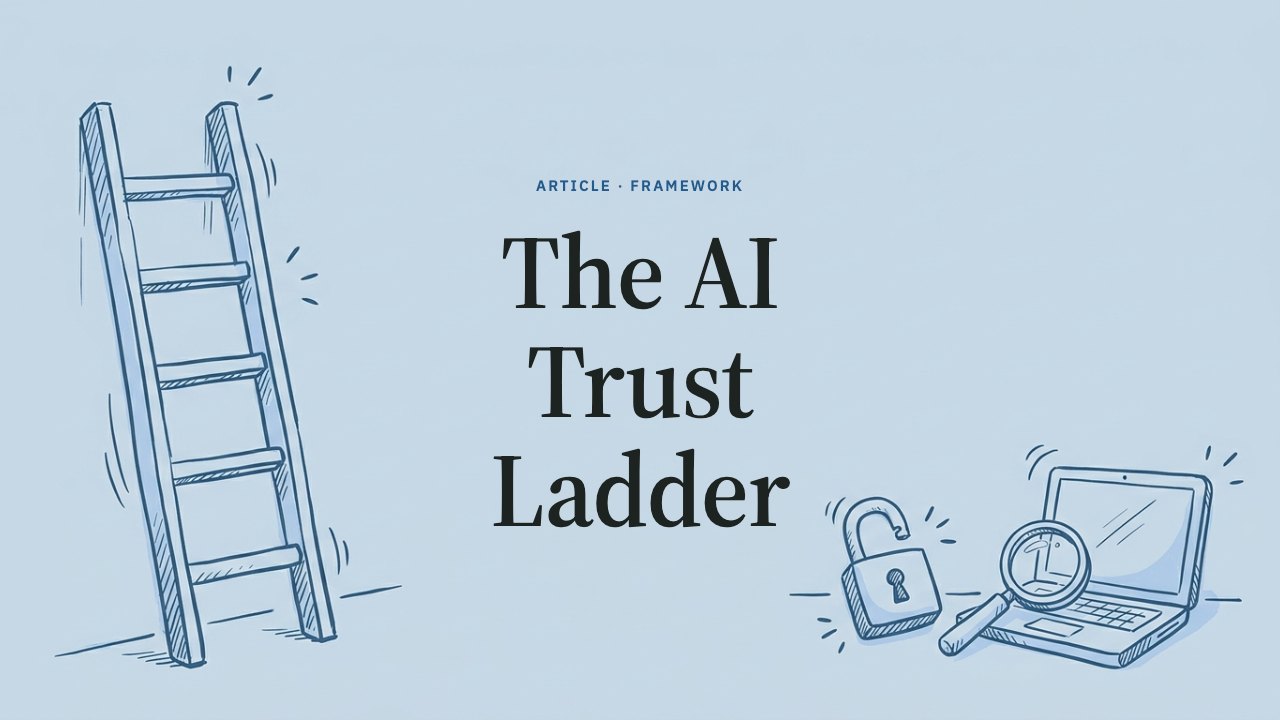
The AI Trust Ladder: how much should you let AI touch your business?
Self-driving cars move through clearly defined levels of automation. Your business should too. Four rungs, from "AI can read" to "AI can act", and the rule I use for climbing from one to the next.
 Article · Running operations with AI
Boring 90% first: automate the 10-year-old process before the shiny experiment
The most valuable AI project in your business is probably the dullest one. Why volume beats novelty, why customers trust the familiar, and what my own projects taught me about being too new.
 Article · Running operations with AI
The one-lever rule: every AI idea must move one of three numbers
More money in, fewer hours spent, or better quality out. If an AI project can't name which one it moves, from what number to what number, and who watches it, it isn't a project yet. It's a demo.
 Article · Running operations with AI
Mechanic or driver? You don't need to understand AI, but you do need to read the dashboard
Most business owners will never need to know how AI works, just as most drivers never open the bonnet. What they do need is a small set of gauges that show whether it's working. These are the four I aim to put on every system I build.
 Article · Running operations with AI
Don't automate a mess: Audit, Optimize, Automate, Verify
Corey Ganim's AOA framework, Audit, Optimize, Automate, is a simple rule for bringing AI into a business. A fourth step, Verify, is the one most owners skip, and it's the one that protects your customers.
 Article · Security & reliability
My server faced 165,225 break-in attempts in 90 days. AI is making this worse for small businesses.
One of my servers logged more than 165,000 automated login attempts in three months. AI has made attacks cheaper, more automated and harder to spot, from bots guessing passwords to fake enquiries and floods of traffic. Here's what I saw, how I stopped it, and what it means for your website and your data.
 Article · Security & reliability
Should your business run its own private AI? What it takes, and the five setup steps
If your business holds data that shouldn't leave the building, you can still use AI by running a model on a computer you control. When it's worth it, what hardware it needs, what it costs, and the five setup steps to hand to whoever looks after your IT.
 Article · Marketing & outreach
The marketing stack that took a team now takes an afternoon
Finding people who had just shown interest in my offer used to mean a data vendor, an engineer to connect the tools, and someone to sort the results. This week I linked a few services together with AI in one afternoon and built a list of 23 warm leads, each with the exact LinkedIn post they reacted to, for less than a dollar in data. Here's what I built, what it found, and what I think it means for small businesses.
 Article · Running operations with AI
A tool for the wrong blocker went unused. The ones built for real problems got used.
In 2025 a proposal generator was built so a business partner could send more proposals. He didn't need it, because speed was never what held him back. The tools I built for my own work in 2026 had one advantage that one lacked. I already knew the real problem.
 Article · Sales & client insight
You probably don't need an AI salesperson. You need a funnel that repeats.
AI can write, research and send faster than any person. If your targeting, offer and follow-up aren't defined, it just helps you do the wrong thing with more energy.
 Case study · Content production and creative operations
Turning Sayura's Canva carousels into a reviewable LangChain production pipeline
A LangGraph case study: Sayura's fragmented slideshow workflow, rebuilt as a reviewable system with explicit state, QA loops, deterministic rendering and safe delivery retries.
 Article · Lead capture
Reply first, but reply right: speed wins the lead, judgment keeps it
A famous Harvard Business Review study showed that enquiries go cold within hours. The usual fix is to reply faster to everyone. The twist is that a fast reply only helps if something first decides which enquiries deserve one, and which need a person.
 Article · Choosing the right AI workflow
Four AI ideas are usually four different systems
A financial-advisory workflow shows why a call summary, a coaching scorecard, an internal chatbot, and a compliance checker should not be treated as one AI project.
 Article · AI reliability
Two kinds of decisions: some calls need a process, some need a second
Daniel Kahneman showed that we think in two modes, fast and slow. Business decisions split the same way, and until recently software could only help with the slow kind. What changes when AI tells you how sure it is.
 Article · Running operations with AI
Before you buy an AI agent, write down one process
Agents only work as well as the decision you taught them. For most small business owners the rule still lives in their head, which is why the most valuable first step with AI doesn't involve AI at all.
 Article · Running operations with AI
What small business founders told me about AI at Meta's Llama workshop
A room of founders at Meta's Llama Incubator Workshop, from a PR firm to an animation studio, described the same problems with AI adoption. Most were about people, cost, focus, pricing and data, not about the technology itself.
 Article · AI reliability
AI chatbots can save you hours every week, or cost you your customers' trust
A chatbot that answers confidently and wrongly is worse than no chatbot. I built one that grades every answer before a customer sees it and only sends the ones that pass. Here's how the idea works and how to apply it.
Case studies & companies
 Case study · AI adoption
Google Crowdsource × Explore ML: teaching machine learning to 900 non-technical learners across Asia
Google's Crowdsource program partnered with Explore ML to teach machine learning to people who had never written code. Google picked 30 volunteer facilitators from 13 countries to deliver it. This case study covers the constraint the program faced, the teaching model that made the material land with non-technical adults, how the workshops ran, and what they produced, from about 900 learners to single sessions of 230 people.
 Company · AI adoption and workflow design
Flareworks: practical AI systems for real business workflows
My AI systems practice helps SME founders and knowledge workers find the repeated work worth improving, build the smallest useful system, and keep human judgment at the important checkpoints.
 Case study · Marketing & outreach
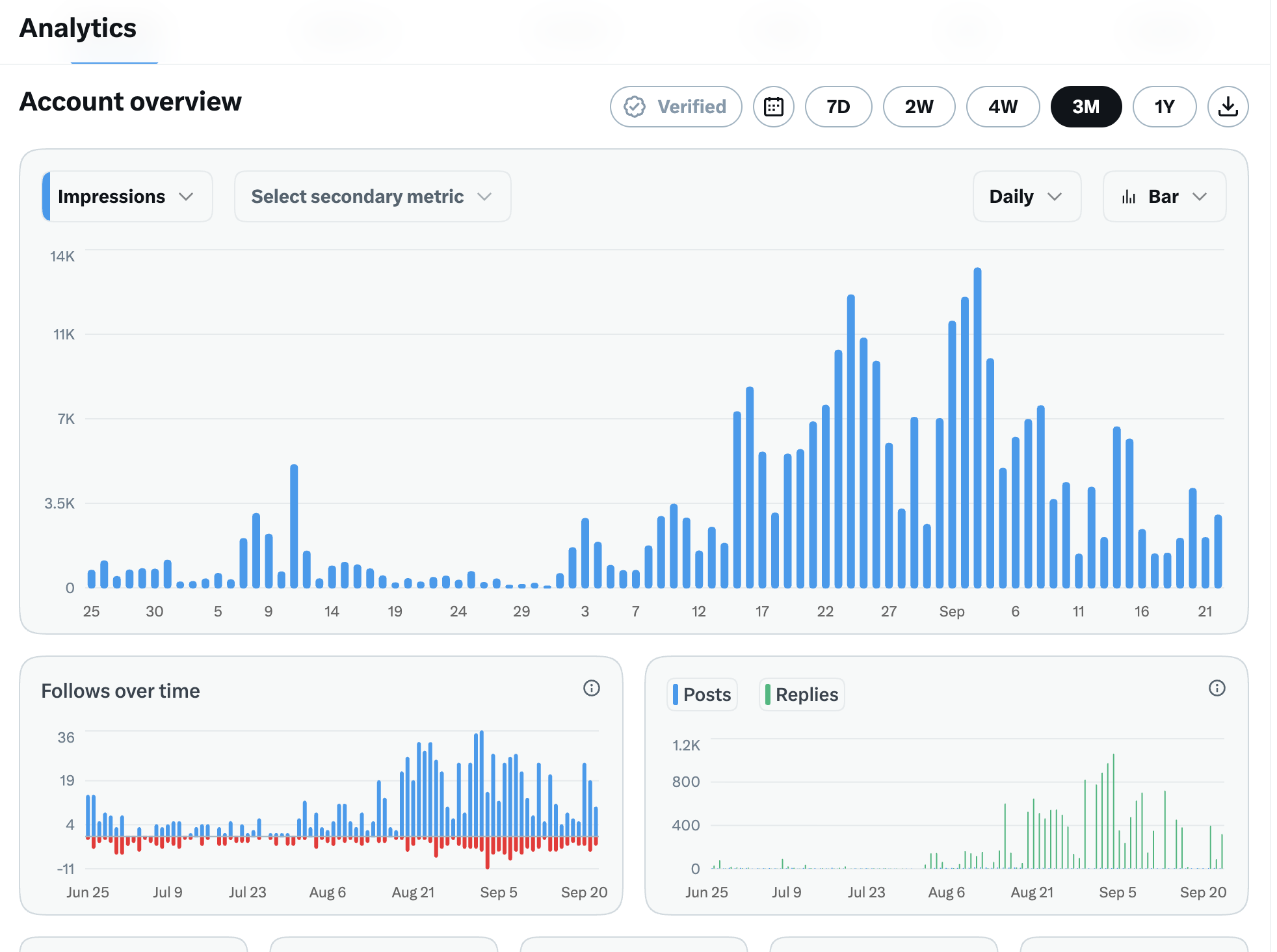
A supervised AI team that earns attention one reply at a time
A supervised six-agent team that published 15,621 replies, lifted X impressions 298%, and reduced routine daily review to about 20 minutes.
 Company · Sales & client insight
Mindreader: AI sales intelligence for teams at AIA, CIMB and Manulife
Mindreader gave sales teams at AIA, CIMB and Manulife a read on each prospect before the first meeting, backed by ~SGD 500K in angel funding and IBF-recognised training.
 Case study · Knowledge & retrieval
A private search engine for AI agents over 13,000 Obsidian notes
Obsidian, a 66 MB local embedding model, sparse search, RRF and a shareable agent skill, combined into private retrieval without sending the knowledge base to an external embedding API.
 Case study · AI adoption in an insurance sales workflow
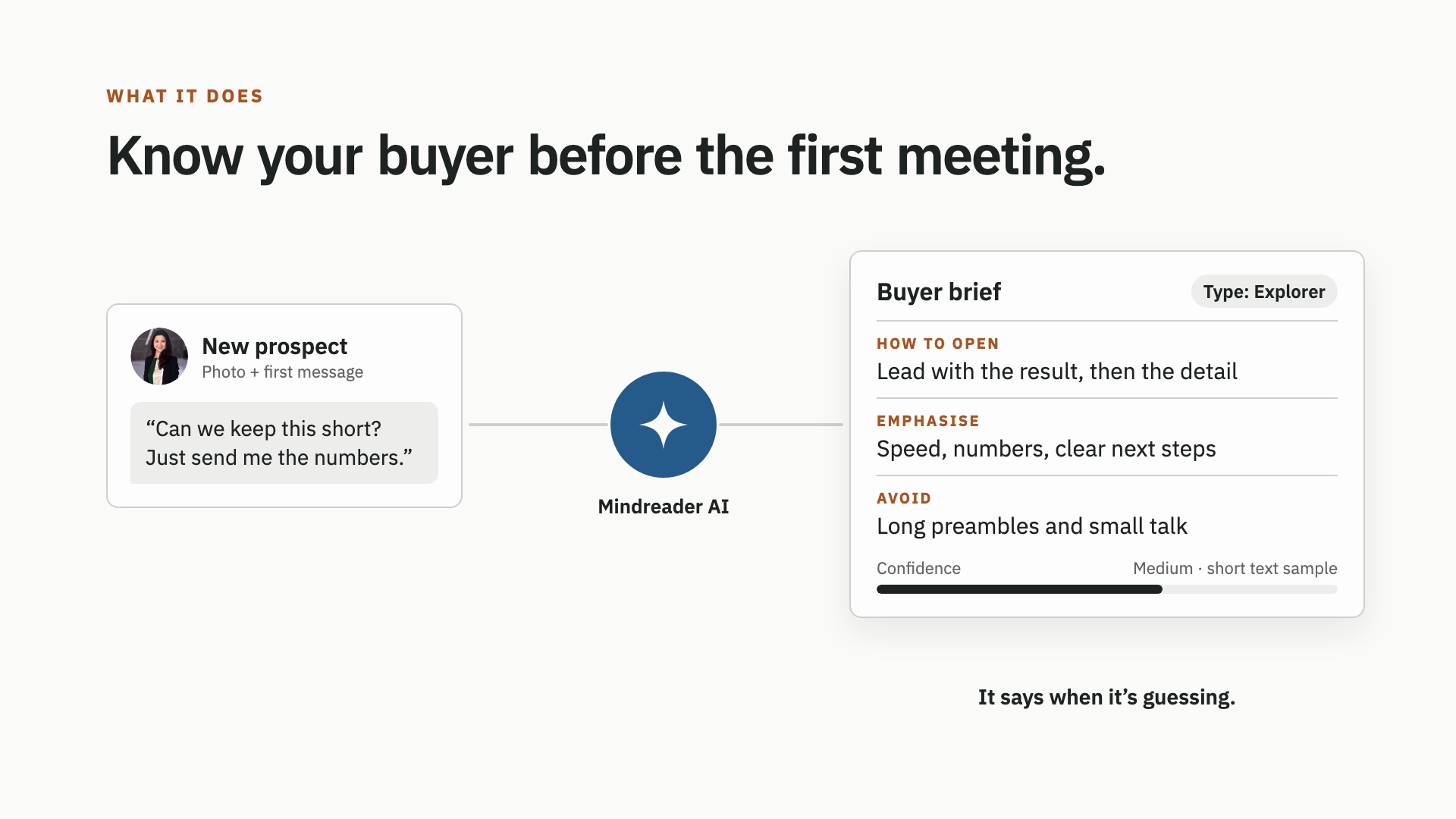
How live UAT with insurance advisers reshaped an AI sales coach
At Mindreader, live UAT with insurance advisers showed where technically valid AI output became operationally useless, and the evidence became a narrower product and iteration plan.
 Case study · Lead capture
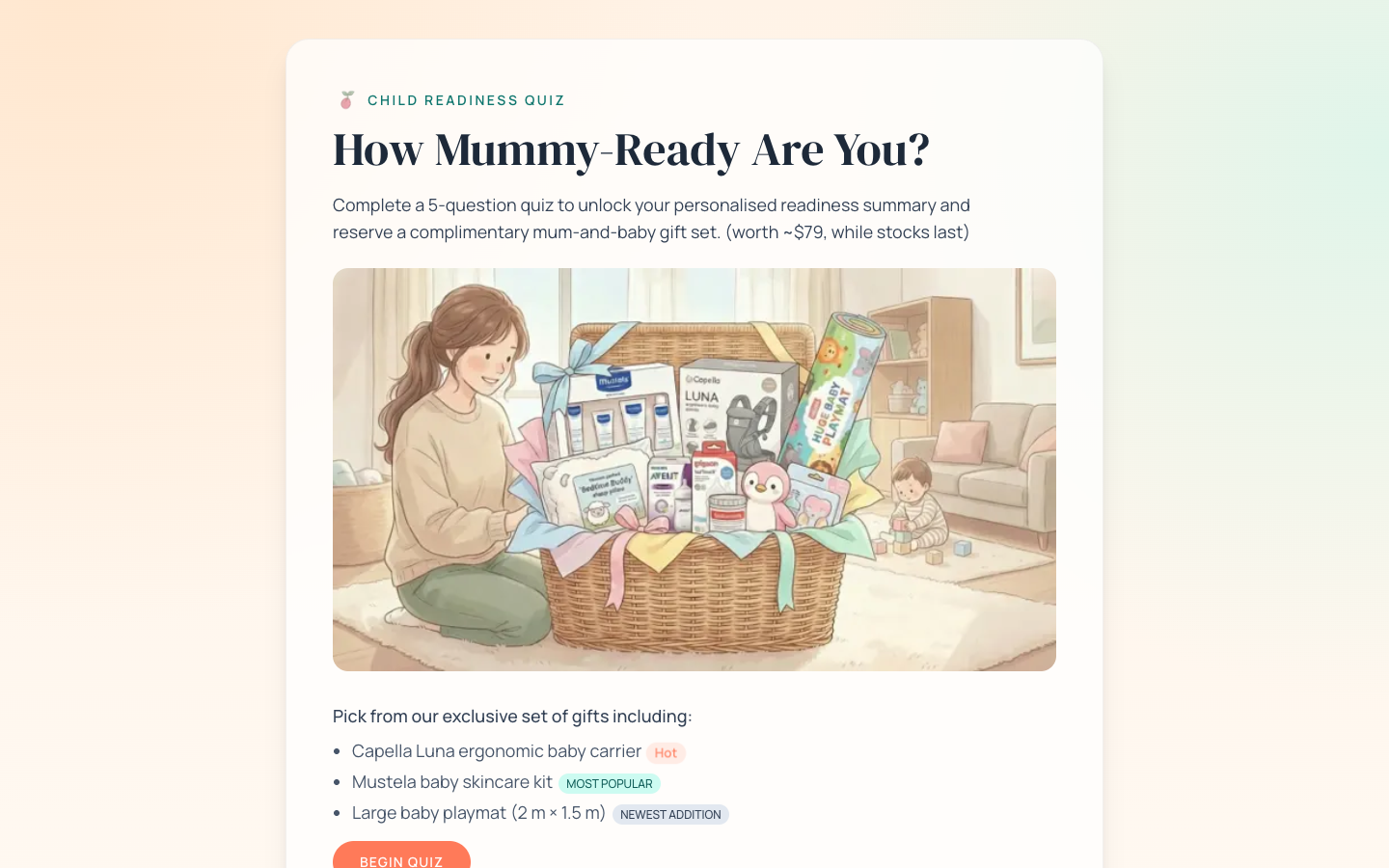
The build was the easy part: a forward deployed engineer inside a financial advisory firm
A senior insurance director had a good idea for starting family-planning conversations, no developer, and about two weeks of runway. In about ten days we turned it into a live quiz funnel with 24 personalised referral codes, automatic routing to the right advisor, and analytics from first tap to confirmed slot.
 Case study · One-off value did not become repeat use or revenue
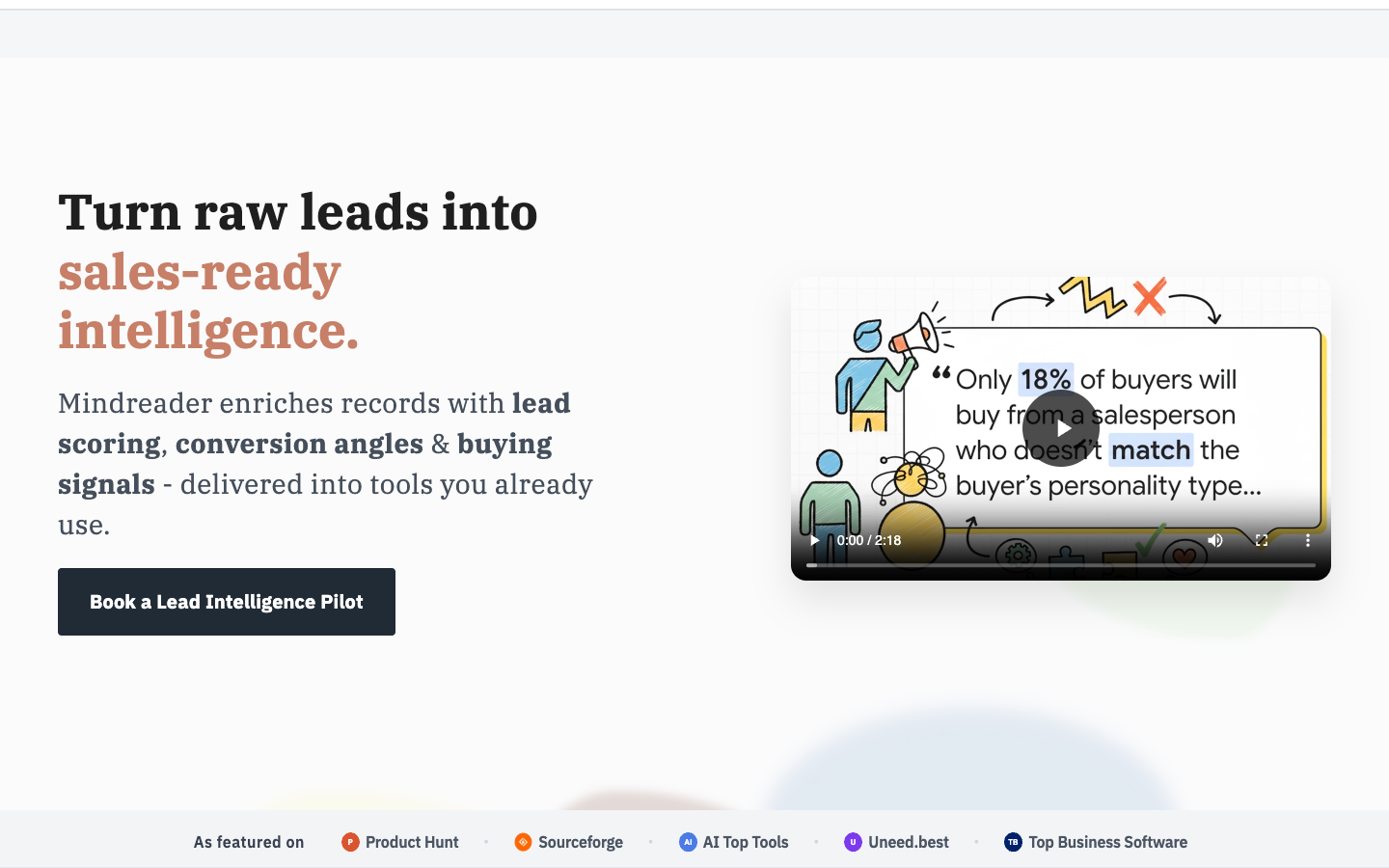
When usage data contradicted Mindreader's roadmap
At Mindreader, research, product behaviour and cohort data showed the real problem: turning a first insight into a repeatable, paid workflow.
 Company · Running operations with AI
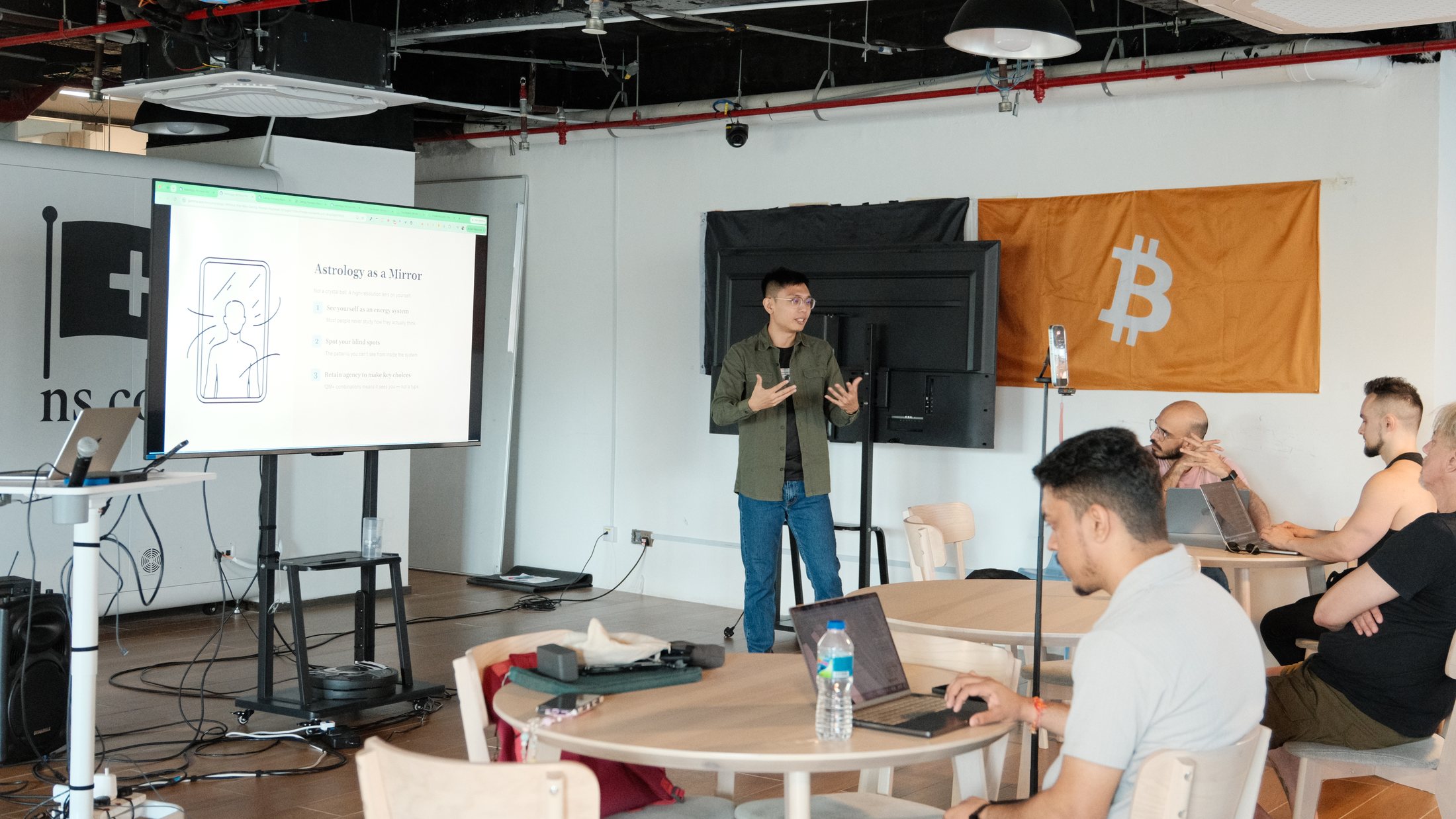
The Modern Shrine: running a production AI product as a one-person company
The Modern Shrine is a consumer AI product with a production app and paying customers, run by one person, with live workshops in Malaysia, Singapore, Vietnam and Japan. This case study covers the constraint that shaped it, the design behind its self-checking report pipeline, how it runs day to day, and the results, including 341 reports generated from 365 assessments and 13 workshops across four countries.
Case study · Preserve operating capacity while reducing cost and operator loadWhen one person inherited a ten-person operation: an AI-native systems case study
How much of a real company can one person safely operate with AI? Not a demo. A live SaaS with a real P&L, paying customers, and years of accumulated context.
 Case study · Knowledge & retrieval
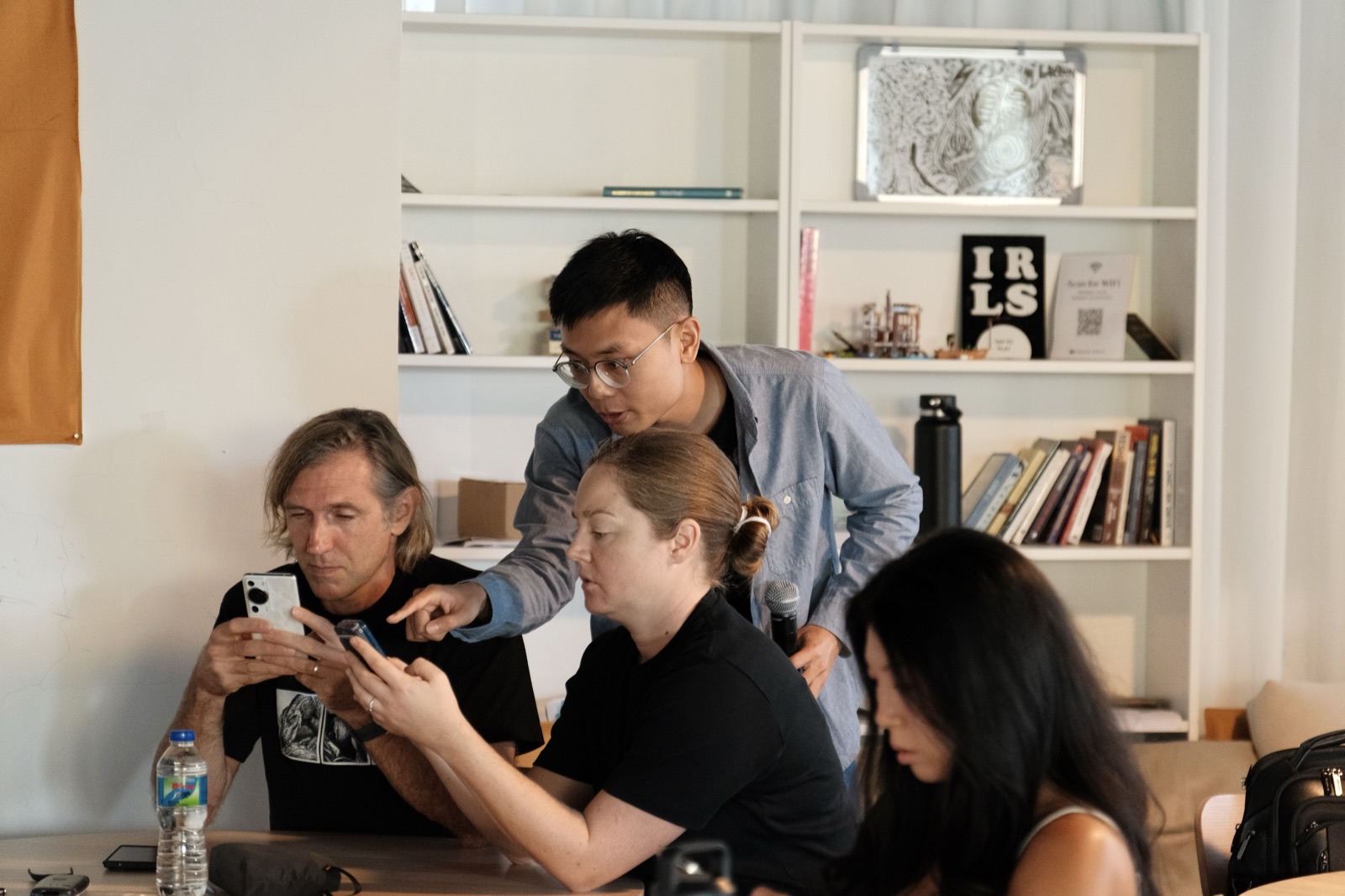
What my AI knowledge-system workshop for two insurance advisors got wrong
Two insurance advisors kept re-explaining themselves to ChatGPT and losing what they'd learned across old chats. I ran a workshop to give them a second brain they own. It produced real excitement but no proof it worked on the day. Here is what broke and what I changed.
 Case study · Market & customer signals
A social-media signal finder for investment decisions, and the judgment AI couldn't replace
A Singapore crypto investing academy with more than 40,000 students asked me to build a system that reads investment chatter on X and flags opportunities early. We built it and it worked as designed. The bigger lesson was that the client's real edge lived in their own heads, and no amount of AI research could replace it.
 Case study · Knowledge & retrieval
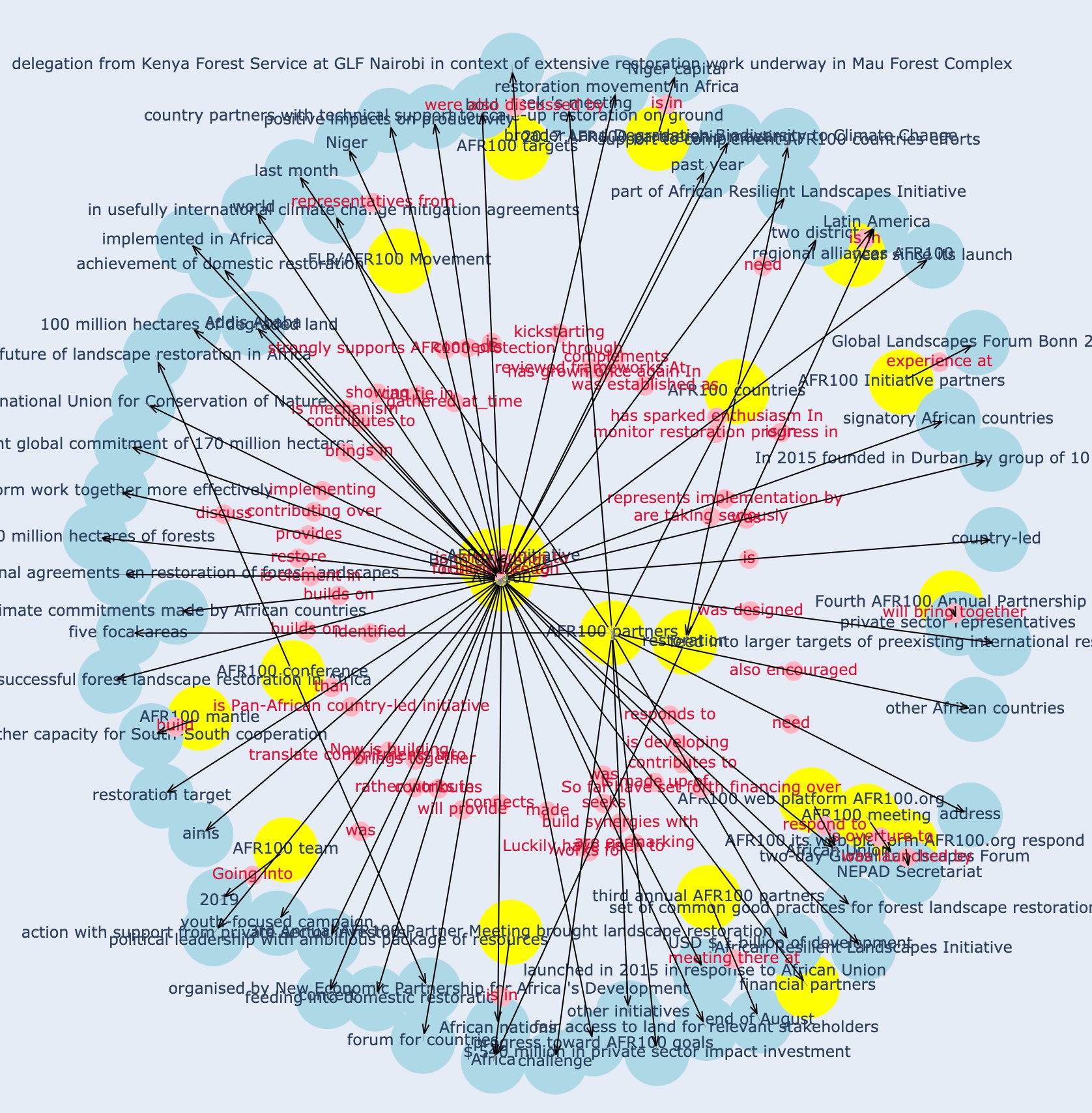
A knowledge graph for the World Resources Institute, built by 40 volunteers with no manager
For the World Resources Institute, an Omdena team of more than 40 volunteers from 15+ countries turned the websites of three forest-restoration platforms into a knowledge graph of who works on which climate hazards, with which solutions and partners. The brief was vague, nobody assigned the work, and the off-the-shelf models fell short. This case study covers how the problem was understood, how the pipeline worked and what it left unsolved.